By Sarah Jenkins — Proud Pet Parent & Pet Wellness Enthusiast
Indoor cats live safe, comfortable, and cozy lives shielded from the dangers of traffic, extreme weather, and wild predators. However, living exclusively indoors comes with a hidden drawback: a drastic drop in daily physical activity.
In nature, a feline spends hours every day patrolling territory, climbing trees, stalking prey, and engaging in high-burst sprints. Inside our homes, where meals are delivered directly in a bowl, it is all too easy for an indoor cat to slide into a sedentary routine.
Lack of movement doesn’t just affect a cat’s weight—it can lead to joint stiffness, behavioral issues, and chronic boredom. Because cats are skilled at masking their discomfort, a lack of physical activity often shows up in subtle ways.
Here are 5 warning signs your indoor cat isn’t getting enough exercise—and simple ways to get them moving again.
1. Gradual Weight Gain and Loss of Muscle Tone
The most obvious sign of an inactive lifestyle is weight gain. If your cat is slowly losing their defined waistline, developing a sagging abdominal pouch, or struggling to groom their lower back, they are burning far fewer calories than they consume.
Over time, inactivity also leads to muscle atrophy. A healthy cat should feel lean and muscular along their spine and shoulders when you pet them. If your cat feels soft or doughy, their physical activity levels need a boost.
Tip: Feline obesity increases the risk of diabetes, arthritis, and liver disease. Increasing daily playtime is one of the safest ways to support healthy weight management.

2. Frequent “Night Zoomies” and Frantic Outbursts
Does your cat suddenly bolt across the living room, climb the curtains, or knock items off tables at 3:00 AM? While occasional playful sprints are normal, frequent late-night outbursts usually mean your cat has a surplus of pent-up energy.
Without structured outlets during the day to hunt, pounce, and run, that built-up physical energy accumulates until it explodes into chaotic nighttime antics.
3. Hesitation to Jump onto Furniture
If you notice your cat staring at the sofa or coffee table, hesitating, or using low footstools to climb up instead of leaping gracefully, a lack of exercise could be catching up with them.
Inactivity leads to stiff joints and weakened hind leg muscles. When jumping becomes uncomfortable or exhausting, cats simply stop trying, which accelerates physical decline.
4. Over-Grooming out of Boredom
Physical exercise isn’t just about burning calories—it provides essential mental stimulation. When an indoor cat lacks physical activity, boredom sets in quickly.
To soothe themselves, an under-exercised cat may turn to repetitive grooming, often licking their belly, paws, or tail until the fur becomes thin or patchy. Providing physical play sessions helps redirect this nervous energy.
5. Apathy and Disinterest in Surroundings
It is true that adult cats sleep anywhere from 12 to 16 hours a day. However, a cat that spends the entire day sleeping, ignores toys, and shows no curiosity when you move around the house isn’t just resting—they are likely under-stimulated.
Lethargy in cats is often a learned response to an environment that offers no physical challenges or rewards.
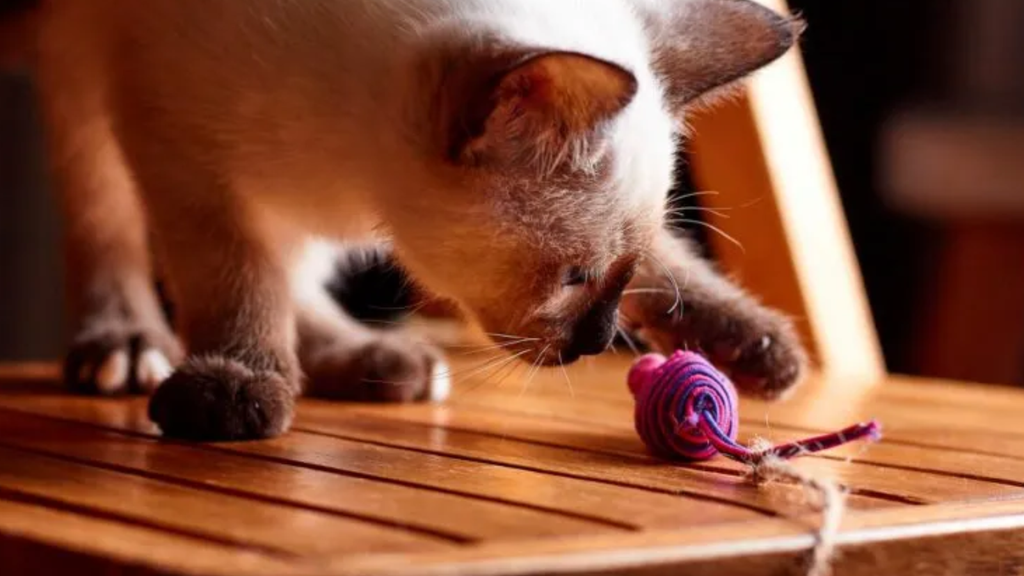
How to Get Your Indoor Cat Moving: 4 Easy Steps
You don’t need expensive equipment to build an engaging indoor environment for your cat. A few daily adjustments can make a world of difference:
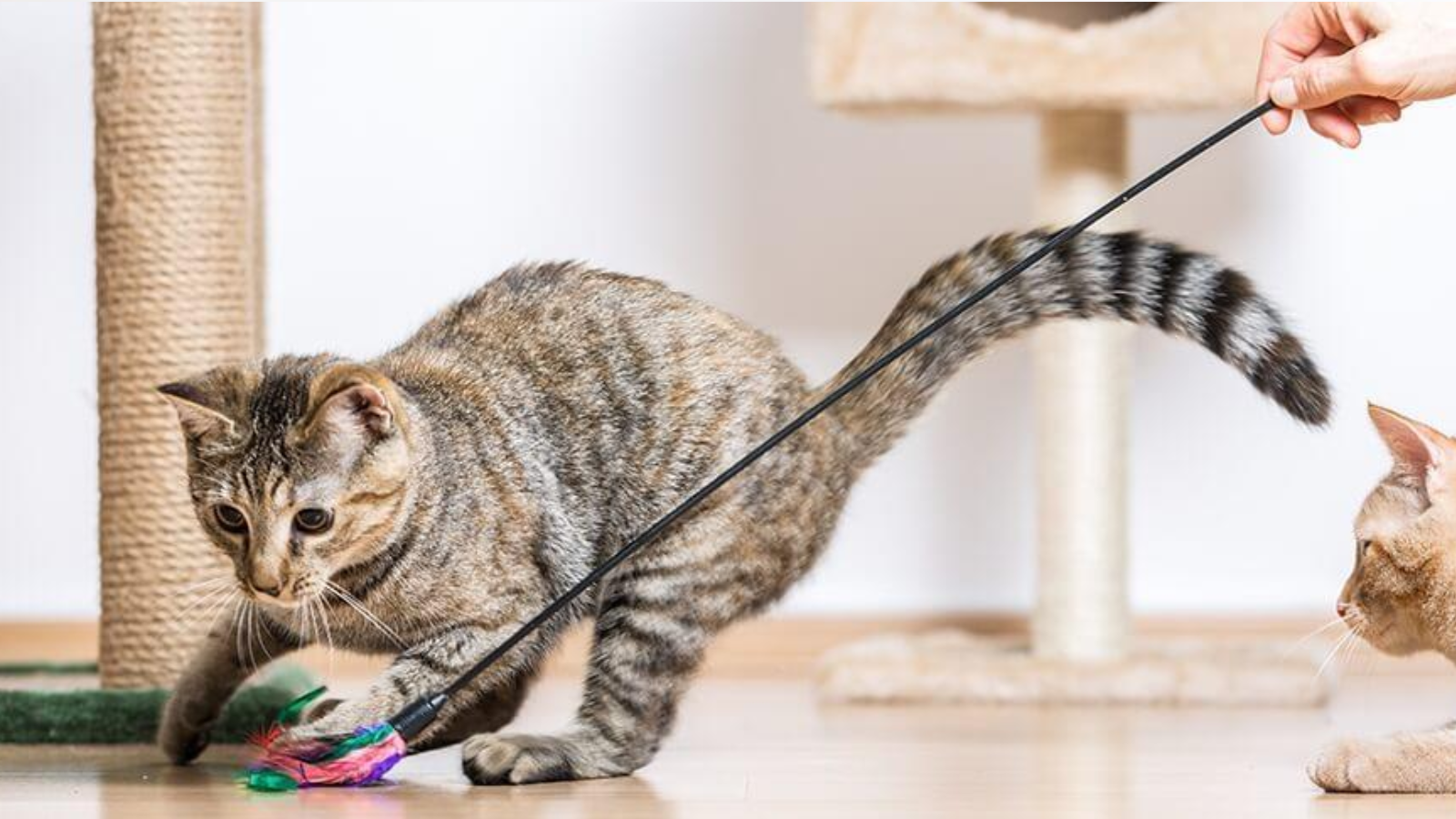
- Interactive Wand Play: Spend 10 to 15 minutes twice daily using a wand toy with feathers or ribbons. Mimic the movements of a bird or mouse to activate their natural hunting instincts.
- Vertical Space: Install cat shelves, tall scratching posts, or window perches. Climbing and jumping vertically are exceptional strength-building exercises for cats.
- Puzzle Feeders: Ditch the standard food bowl for puzzle feeders or treat-dispensing balls. Forcing your cat to work for their food encourages movement and problem-solving.
- Toy Rotation: Keep toys fresh by storing most of them in a sealed container and swapping out 2 or 3 toys every week so they always feel new.
Final Thoughts
An inactive indoor cat isn’t lazy—they simply need the right environment and encouragement to unlock their natural athletic instincts. By identifying these warning signs early and introducing short daily play sessions, you’ll keep your feline friend fit, agile, and happy for years to come!
No responses yet