By Sarah Jenkins — Proud Pet Parent & Pet Wellness Enthusiast
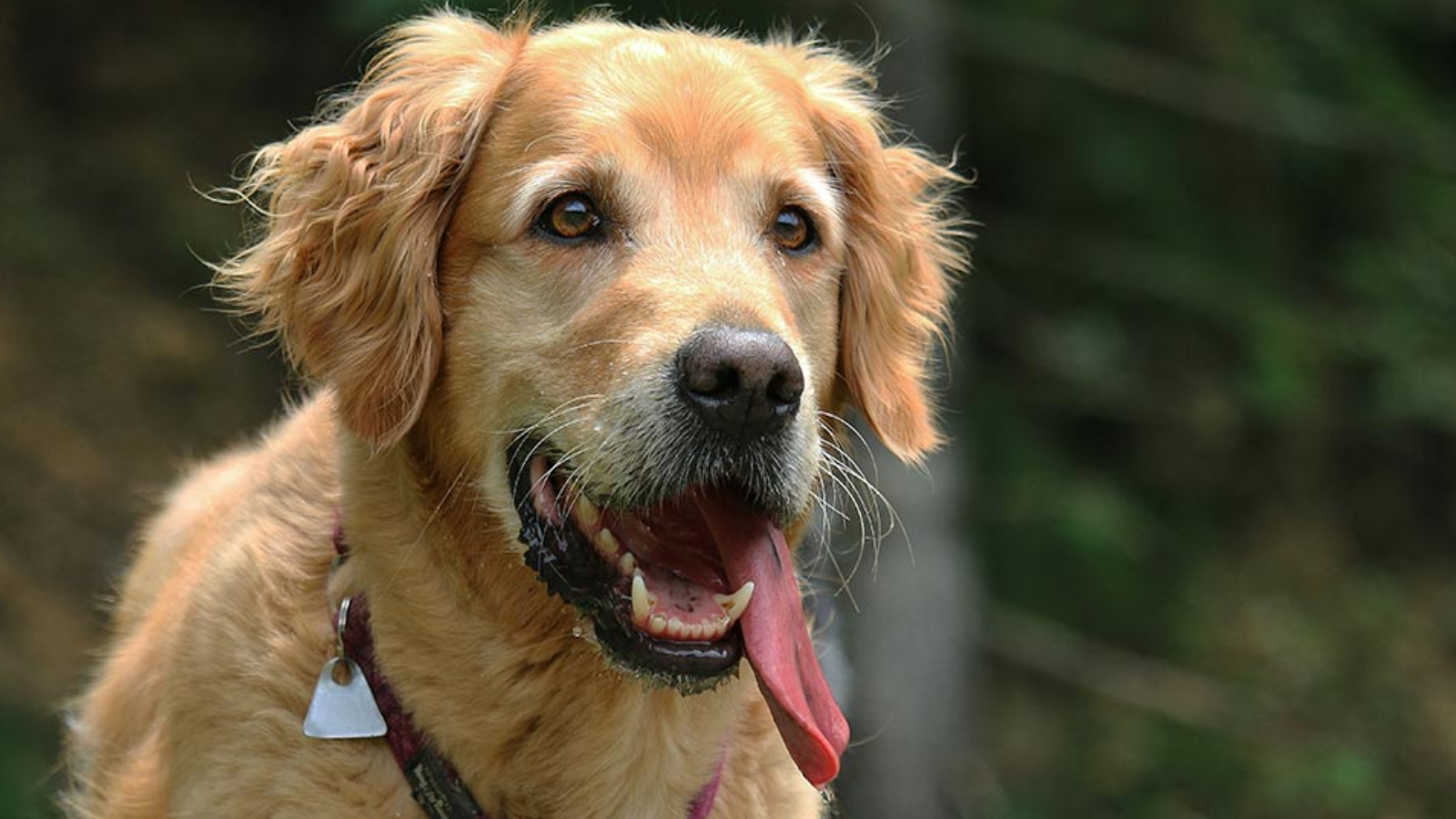
Panting is one of the most common behaviors in dogs. Whether your pup just finished a game of fetch in the backyard or came inside from a warm afternoon walk, seeing them pant with an open mouth and tongue hanging out is completely normal.
Unlike humans, who regulate body temperature by sweating through their skin, dogs have very few sweat glands (mostly located in their paw pads). Panting is their primary mechanism for cooling down, allowing moisture to evaporate from their tongue, mouth, and respiratory tract.
However, when panting occurs suddenly without exercise, happens in a cool room, or is accompanied by restlessness and distress, it can be a warning sign of an underlying medical or emotional issue.
Here is what you need to know about why your dog is panting so much, when it indicates an emergency, and how to help your pup find relief.
Normal vs. Abnormal Panting: What’s the Difference?
Before diving into specific causes, it’s important to distinguish between routine cooling and heavy or abnormal panting:
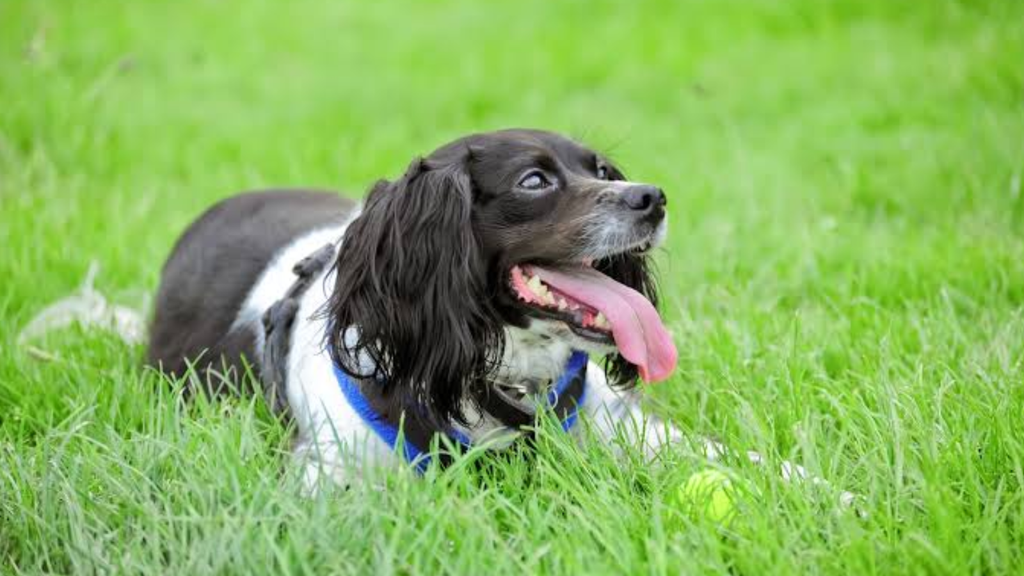
- Normal Panting: Occurs after exercise, during warm weather, or after excitement. It is steady, light to moderate in intensity, and stops once the dog cools down or rests.
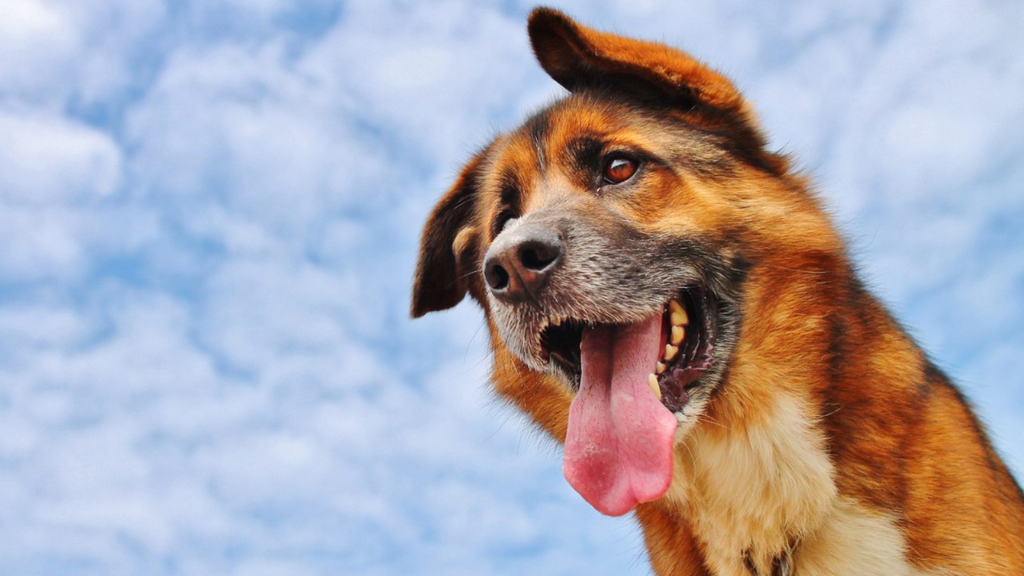
- Abnormal Panting: Occurs suddenly without physical exertion, happens in a cool environment, sounds unusually harsh or raspy, or continues relentlessly despite rest.
6 Common Causes of Excessive Dog Panting
1. Overheating or Heatstroke
During hot summer months, excessive panting is often the first sign that a dog is struggling to cool down. If left unchecked, high ambient temperatures can lead to heatstroke—a life-threatening medical emergency.
Warning Signs of Heatstroke: Bright red gums, thick drool, glassiness in the eyes, unsteadiness, or vomiting. Immediately move your dog to a cool area, offer small sips of water, and apply cool (not icy) water to their paws and underbelly while contacting a vet.
2. Pain, Discomfort, or Injury
Dogs are remarkably resilient animals that instinctively try to hide physical pain. When a dog suffers from joint pain, arthritis, an abdominal ache, or an internal injury, heavy panting is often their main physical reaction to the distress.
If your dog is panting while sitting still, whining, or struggling to lie down comfortably, physical pain is a strong possibility.
3. Stress, Anxiety, or Fear
Emotional distress triggers a surge of adrenaline in dogs, causing an elevated heart rate and rapid breathing. Common triggers include:
- Thunderstorms or loud fireworks.
- Separation anxiety when left alone.
- Car rides or visits to the veterinary clinic.
Anxious panting is usually paired with pacing, lip licking, yawning, or wide “whale eyes.”
4. Heart or Respiratory Conditions
If a dog’s heart or lungs are not functioning efficiently, their body receives less oxygen. To compensate for reduced oxygen levels, the dog’s brain triggers rapid, heavy panting even when resting.
Conditions like heart disease, fluid in the lungs, or tracheal collapse are frequently associated with chronic, heavy panting and coughing.
5. Cushing’s Disease (Hyperadrenocorticism)
Cushing’s disease occurs when a dog’s adrenal glands produce too much cortisol (the stress hormone). One of the hallmark early symptoms of Cushing’s disease in middle-aged and senior dogs is excessive, unprovoked panting—often accompanied by increased thirst, frequent urination, and a pot-bellied appearance.
6. Poisoning or Toxic Ingestion
Ingesting toxic plants, household chemicals, human medications, or foods like chocolate can disrupt a dog’s nervous or cardiovascular system. Sudden, heavy panting accompanied by drooling, trembling, or lethargy can be a sign of toxicity.
When to Seek Immediate Veterinary Care
You should contact an emergency veterinarian immediately if your dog’s panting is accompanied by any of the following red flags:
- Pale, Blue, or Bright Red Gums: Indicates a lack of oxygen or heatstroke.
- Panting Won’t Stop: Continuous heavy panting for more than 20–30 minutes in a cool room with no recent exercise.
- Lethargy or Collapse: Your dog is unresponsive, weak, or unable to stand.
- Raspy or Strained Breathing: The panting sounds choked, high-pitched, or unusually labored.
How to Help Your Dog at Home
For mild, non-emergency panting caused by heat or minor excitement, try these simple steps:
- Cool Down Safely: Move your dog to an air-conditioned room or in front of a fan. Provide fresh, cool drinking water.
- Create a Safe Space: If anxiety is the cause, guide your pup to a quiet, dark room with a comfortable bed and soothing background noise.
- Avoid Forced Exercise: Never force a panting dog to keep walking or playing, especially in humid or hot weather.
Final Thoughts
Panting is a vital natural tool for your dog’s daily temperature control. By paying attention to the context, environment, and accompanying body language, you can quickly determine whether your pup just needs a cool glass of water or requires a helpful visit to the vet!
No responses yet