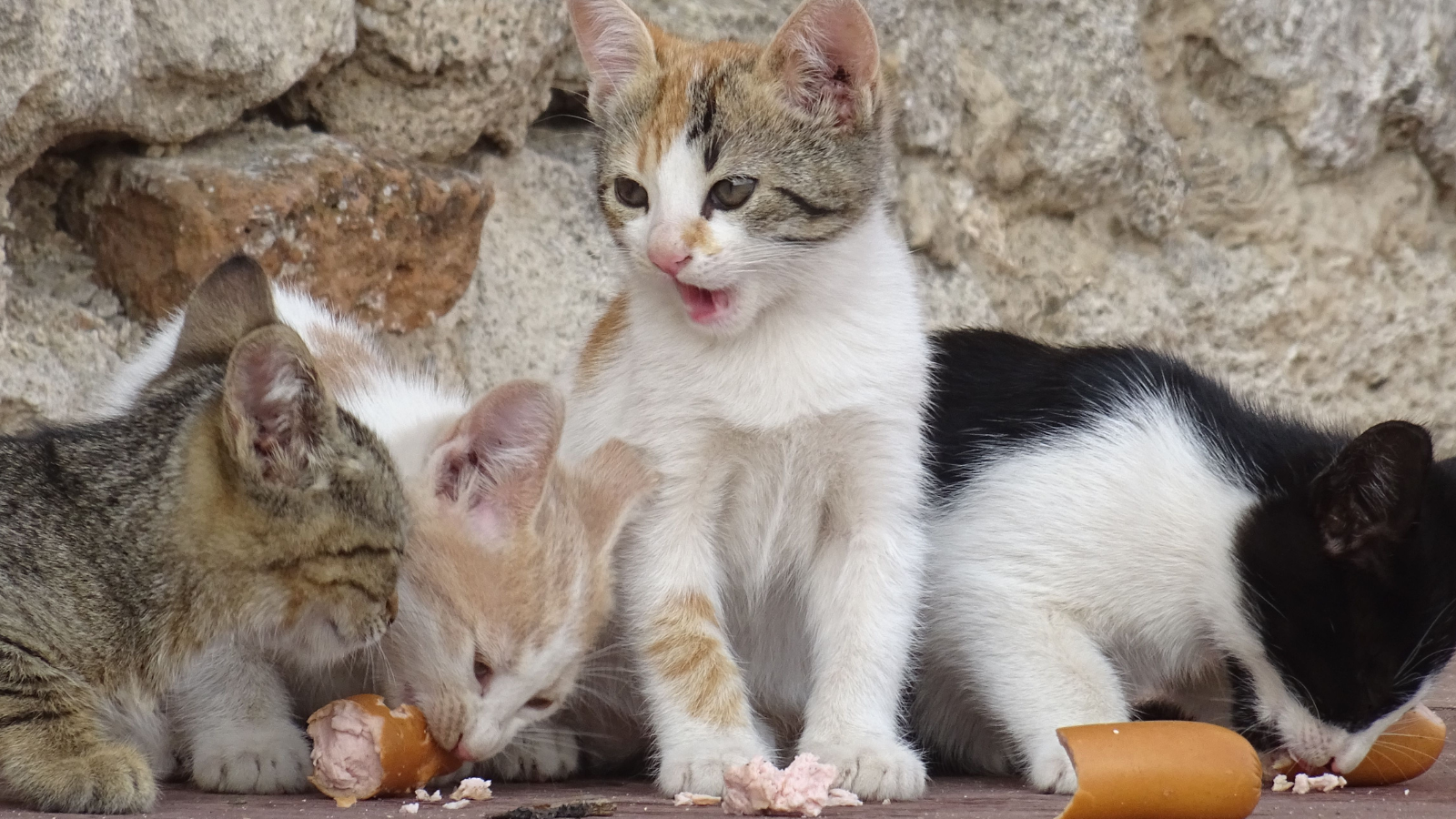
As loving cat parents, it is always tempting to offer our curious feline companions a bite of whatever we are eating. If you are opening a can of Vienna sausage, your cat might come running at the strong meaty scent. But can cats eat vienna sausage safely, or does this popular canned meat pose a threat to their health?
The short answer is no, cats should not eat Vienna sausage. While Vienna sausage is not strictly toxic in tiny emergency amounts, it contains extremely high levels of sodium, fat, preservatives, and harmful seasonings that can trigger severe digestive upset and long-term health problems for cats.
In this guide, we break down why Vienna sausage is bad for cats, the hidden dangers in the ingredient list, and safe meat alternatives your cat will love.
1. High Sodium Levels: The Threat of Salt Toxicity
The primary reason why you should avoid feeding Vienna sausage to your cat is its astronomical salt content. Vienna sausages are heavily processed and preserved using sodium.
- Why it is dangerous: Cats are small animals with delicate kidney systems. A single Vienna sausage can contain hundreds of milligrams of sodium—far exceeding a cat’s recommended daily intake.
- Health risks: Consuming high-sodium foods can lead to dehydration, excessive thirst, kidney strain, and in severe cases, sodium ion poisoning (salt toxicity). Symptoms of salt toxicity include vomiting, diarrhea, lethargy, muscle tremors, and seizures.
2. Dangerous Seasonings: Garlic and Onion Powder
Most commercially canned Vienna sausages are seasoned with garlic powder, onion powder, or unspecified “spices” to enhance flavor for human consumption.
- Why it is dangerous: All members of the Allium family—including garlic, onions, chives, and leeks—are highly toxic to cats.
- Health risks: Garlic and onion powder destroy a cat’s red blood cells, leading to a dangerous condition called hemolytic anemia. Even small, repeated exposures to garlic or onion seasonings in processed meats can accumulate and cause severe health complications over time.
3. High Fat Content and Pancreatitis Risks
Vienna sausages are typically made from a blend of mechanically separated chicken, pork, or beef mixed with high amounts of animal fat and oils.
- Why it is dangerous: A cat’s digestive system is evolved to process lean protein, not high-fat processed meats.
- Health risks: Ingesting greasy, fat-dense foods can trigger sudden gastrointestinal distress, including severe diarrhea and vomiting. More critically, high-fat foods are a leading cause of pancreatitis (a painful and potentially life-threatening inflammation of the pancreas) in cats.
4. Preservatives and Chemical Additives
To give canned Vienna sausages a long shelf life, manufacturers add various chemical preservatives, such as sodium nitrates and nitrites.
- Why it is dangerous: Synthetic preservatives and chemical additives offer zero nutritional value to obligate carnivores like cats.
- Health risks: These compounds can cause stomach irritation, allergic reactions, and unnecessary chemical stress on your cat’s liver and digestive tract.
What to Do If Your Cat Ate a Piece of Vienna Sausage
If your cat managed to sneak a small bite of Vienna sausage off your plate, try not to panic:
- Check the Quantity: A tiny lick or a bite size smaller than a fingernail is unlikely to cause fatal toxicity, though it may cause a mild upset stomach.
- Provide Fresh Water: Ensure your cat has immediate access to clean, fresh drinking water to help flush out excess sodium.
- Monitor Behavior: Keep a close eye on your cat for the next 24 to 48 hours. Watch for signs of vomiting, diarrhea, extreme lethargy, pale gums, or unusual weakness.
- Consult a Vet: If your cat consumed a whole sausage or shows any distress, contact your veterinarian immediately.
Safe, Healthy Meat Alternatives for Cats
If you want to treat your cat to a delicious, meaty snack without the dangerous health risks, stick to these safe alternatives:
- Plain Boiled Chicken: Unseasoned, skinless, and cooked thoroughly without any salt, oil, garlic, or onions.
- Plain Cooked Turkey: A lean protein source that is easy on feline stomachs.
- Plain Canned Tuna in Water: Offered occasionally as an extra special treat (ensure it is packed in water, not oil, and has no added salt).
- Single-Ingredient Freeze-Dried Meat Treats: Commercially available freeze-dried chicken or liver treats made 100% for cats.
No responses yet