Are you accidentally putting your dog or cat in danger during snack time? As loving pet parents, we often think sharing a small piece of fruit, meat, or table scrap is a harmless way to show affection. However, many toxic and harmful foods for pets are common ingredients found right inside our kitchen pantries. What seems like a wholesome treat to humans can cause severe digestive distress, organ failure, or emergency visits to the veterinarian.
In this guide, we break down 7 seemingly innocent foods that you should never share with your furry family members, plus safe alternatives to keep their tails wagging!
1. Grapes and Raisins: The Silent Kidney Threat
Grapes and raisins might look like the ultimate healthy snack, but they top the list of toxic and harmful foods for pets. Even in tiny amounts, grapes can trigger acute, sudden kidney failure in dogs—and similar toxic reactions have been reported in cats.
- Why it’s dangerous: Experts have isolated toxic compounds in grapes that cause severe kidney cell damage. Symptoms include vomiting, lethargy, loss of appetite, and decreased urination within 12 to 24 hours.
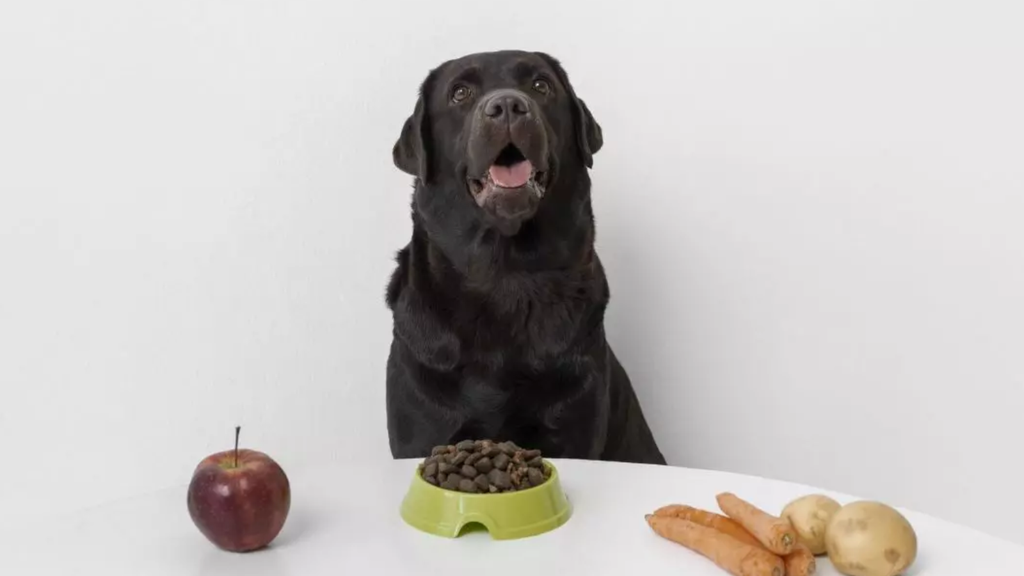
- Safe alternative: Offer your dog sliced, seedless apples (without the core or seeds) or fresh blueberries instead.
2. Onions and Garlic: Hidden Anemia Triggers
Whether raw, cooked, or blended into savory baby food and gravies, onions, garlic, chives, and leeks belong to the Allium family and are highly dangerous to pets. Garlic is estimated to be up to five times more potent than onions!
- Why it’s dangerous: These ingredients contain compounds that damage red blood cells, leading to a life-threatening condition called hemolytic anemia. Symptoms often don’t appear for several days and include pale gums, rapid breathing, weakness, and dark urine.
- Safe alternative: Plain, unseasoned boiled chicken breast without any added onion or garlic powder.
3. Avocados: The Pit and Persin Risk
Avocados have skyrocketed in human popularity as a superfood, but they aren’t nearly as friendly to our domestic pets.
- Why it’s dangerous: Avocados contain a fungicidal toxin called persin. While birds and larger animals are most sensitive, dogs and cats can suffer from upset stomachs and fluid accumulation. Furthermore, the large avocado pit presents a severe choking hazard and intestinal blockage risk.
- Safe alternative: Pureed pumpkin (100% pure pumpkin, not pumpkin pie mix) is fantastic for digestion and completely safe.
4. Chocolate and Caffeine: Heart and Nervous System Overload
Most pet owners know chocolate is bad, but many don’t realize that cocoa powder, dark chocolate, and caffeinated beverages rank among the most severely harmful foods for pets.
- Why it’s dangerous: Chocolate contains methylxanthines (specifically theobromine and caffeine). Pets process these chemicals much slower than humans do. Ingestion leads to severe vomiting, panting, excessive thirst, abnormal heart rhythms, muscle tremors, seizures, and potentially fatal cardiac arrest.
- Safe alternative: Carob treats! Carob looks and tastes similar to chocolate but contains zero theobromine or caffeine.
5. Xylitol: The Hidden Sugar-Free Trap
Xylitol is a popular artificial sweetener found in sugar-free chewing gum, peanut butter, baked goods, toothpaste, and diet snacks. It is arguably one of the fastest-acting toxins for dogs.
- Why it’s dangerous: When a dog ingests xylitol, their pancreas releases a massive surge of insulin, causing a sudden and dangerous drop in blood sugar (hypoglycemia) in as little as 10 to 60 minutes. It can also cause acute liver failure within days.
- Safe alternative: Always check labels and use 100% natural, single-ingredient peanut butter free from added sugars or sweeteners.
6. Cooked Bones and Fatty Trimmings: Internal Injuries
Giving a dog a bone seems like a natural match, but serving cooked bones from chicken, beef, or pork is extremely dangerous.
- Why it’s dangerous: Cooking alters the cellular structure of bones, making them brittle. When chewed, cooked bones splinter into razor-sharp shards that can puncture the mouth, throat, stomach, or intestines. Fatty meat trimmings can also trigger painful pancreatitis.
- Safe alternative: Raw, human-grade recreational marrow bones (under supervision) or durable, food-grade rubber chew toys.
7. Macadamia Nuts: Sudden Weakness and Tremors
While often included in cookies and healthy trail mixes, macadamia nuts are notoriously toxic to dogs.
- Why it’s dangerous: Ingesting even a small handful of macadamia nuts can affect a dog’s nervous system. Affected pets develop back leg weakness, inability to walk, vomiting, muscle tremors, and high body temperatures within 12 hours.
- Safe alternative: Plain, unsalted peanut butter or plain baked sweet potato chews.
What to Do If Your Pet Eats Dangerous Food
If you suspect your pet has ingested any of these dangerous snacks or harmful foods for pets, act fast:
- Do Not Wait for Symptoms: Immediate treatment saves lives.
- Contact Emergency Care: Call your local veterinarian or an emergency animal hospital immediately.
- Identify the Item: Keep the food packaging or take a quick photo of what was consumed to show the vet.
By staying informed and keeping human treats safely stored out of reach, you ensure your pets live a long, happy, and vibrant life.
No responses yet