By Sarah Jenkins — Proud Pet Parent & Pet Wellness Enthusiast
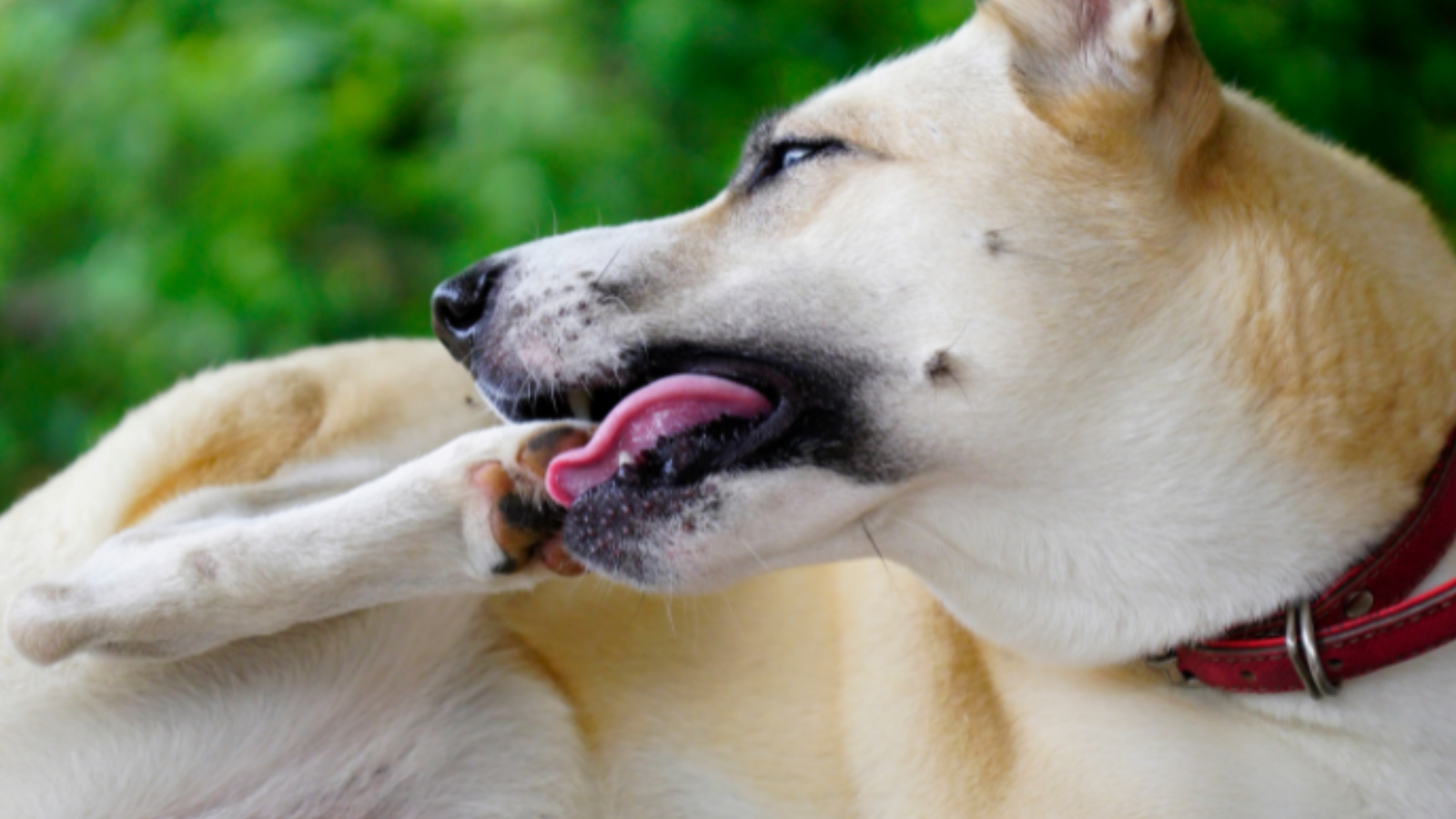
It’s a scene every dog owner knows well: you’re relaxing on the couch, and you hear the quiet, rhythmic sound of your dog licking their paws. Occasional grooming is a completely normal part of a dog’s daily routine, especially after coming inside from a walk outdoors.
However, when the licking turns into a constant, obsessive habit—often accompanied by chewing, biting, or red, irritated skin—it’s usually a sign that something is wrong.
Because dogs can’t tell us what hurts, paw licking is often their primary way of signaling discomfort. So, why do dogs lick their paws constantly, and when should you start to worry?
Here are the most common causes behind obsessive paw licking and how to help your furry friend find relief.
1. Environmental or Food Allergies
Allergies are by far the number one reason dogs lick their paws compulsively. Unlike humans, who often sneeze or get runny eyes when exposed to allergens, dogs typically express allergies through their skin.
- Environmental Allergies (Atopy): Pollen, grass, mold, weeds, or lawn chemicals can irritate a dog’s footpads. This is especially common during spring and summer, or immediately after a outdoor walk.
- Food Allergies: Sensitivities to specific proteins (like chicken, beef, or dairy) or storage mites in dry food can cause intense, generalized itchiness, particularly on the paws and ears.
When a dog’s feet itch, licking offers temporary relief, but the moisture actually makes the skin more inflamed, creating a vicious cycle.
2. Pain, Injuries, or Foreign Objects
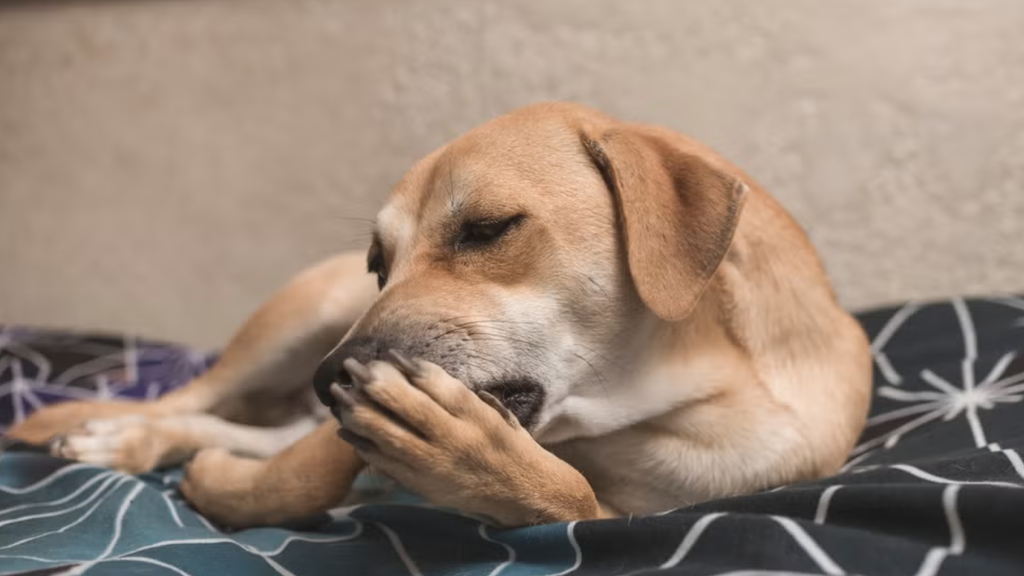
If your dog suddenly starts licking only one paw frantically, pain or localized discomfort is almost always the trigger.
Dogs frequently step on things that irritate or puncture their footpads. Common culprits include:
- Sharp burrs, thorns, or foxtails stuck between the toes.
- Splinters, bee stings, or insect bites.
- A torn, cracked, or overgrown nail.
- Small cuts, burns from hot pavement, or icy salt damage during winter.
Tip: Carefully inspect the bottom of the paw and between every toe under a bright light to check for stuck debris or obvious swelling.
3. Secondary Bacterial or Yeast Infections
A dog’s paw pads are naturally dark, warm, and humid environment—the ideal breeding ground for microscopic organisms.
When a dog licks their paws to soothe mild itching, the excess saliva keeps the skin damp. This moisture breaks down the skin’s natural protective barrier, allowing harmless yeast and bacteria to multiply rapidly into a painful infection.
Signs of a yeast or bacterial infection include:
- A distinct smell reminiscent of corn chips (“Frito feet”) or mold.
- Red, raw, or greasy skin between the toes.
- Rust-colored staining on white or light-colored fur (caused by porphyrins in saliva).
4. Anxiety, Boredom, or Compulsive Stress
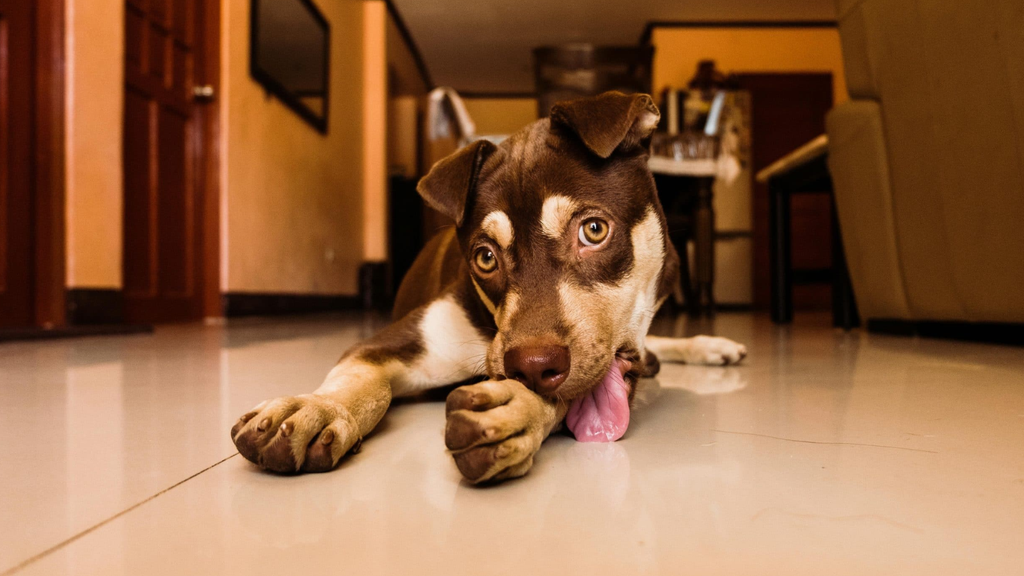
Just like humans might bite their nails when nervous or bored, dogs often use paw licking as a self-soothing mechanism.
When a dog licks their paws, their brain releases endorphins—feel-good chemicals that help lower stress and anxiety. If a dog lacks mental stimulation, spends long hours alone, or suffers from separation anxiety, licking can quickly transform from a comforting gesture into an obsessive-compulsive habit (acral lick dermatitis).
5. Dry Skin or Fleas and Ticks
During dry winter months, low humidity and indoor heating can dry out the skin on your dog’s footpads, causing painful cracks.
Additionally, parasites like fleas, ticks, or tiny harvest mites (chiggers) love to hide between a dog’s toes, causing sharp, localized itching that drives dogs to chew and lick relentlessly.
When to Worry & See a Veterinarian
While minor grooming is normal, you should schedule a visit with your veterinarian if you notice any of the following warning signs:
- Licking is Non-Stop: Your dog wakes up from sleep to lick or refuses to stop even when offered a treat or favorite toy.
- Limping or Favoring a Paw: Your dog avoids putting weight on the foot.
- Physical Changes: Visible redness, swelling, bleeding, pus, hair loss, or a strong odor coming from the paw.
- Behavioral Distress: Your dog growls or snaps when you try to examine their paw due to pain.
How to Help Your Dog at Home
While waiting for a vet appointment or dealing with mild seasonal irritation, here are a few simple steps you can take:
- Wipe Paws After Walks: Keep a damp towel or hypoallergenic dog wipe by the door to clean off pollen, grass, and sidewalk chemicals after outdoor exercise.
- Try a Soothing Foot Soak: Soak your dog’s paws in lukewarm water with mild, unscented dog shampoo or dilute Epsom salt to calm raw skin.
- Increase Mental Stimulation: Provide puzzle feeders, lick mats, or extra interactive play sessions to redirect nervous energy away from their paws.
- Use an Elizabeth Collar (E-Collar): If your dog is causing raw wounds, use a soft recovery cone or protective dog bootie to prevent further damage until a vet can evaluate them.
Final Thoughts
Obsessive paw licking isn’t just an annoying habit—it’s your dog’s way of asking for help with an underlying physical or emotional discomfort. By identifying the root cause early and taking action, you’ll help your pup stay comfortable, healthy, and back on their happy feet!
No responses yet