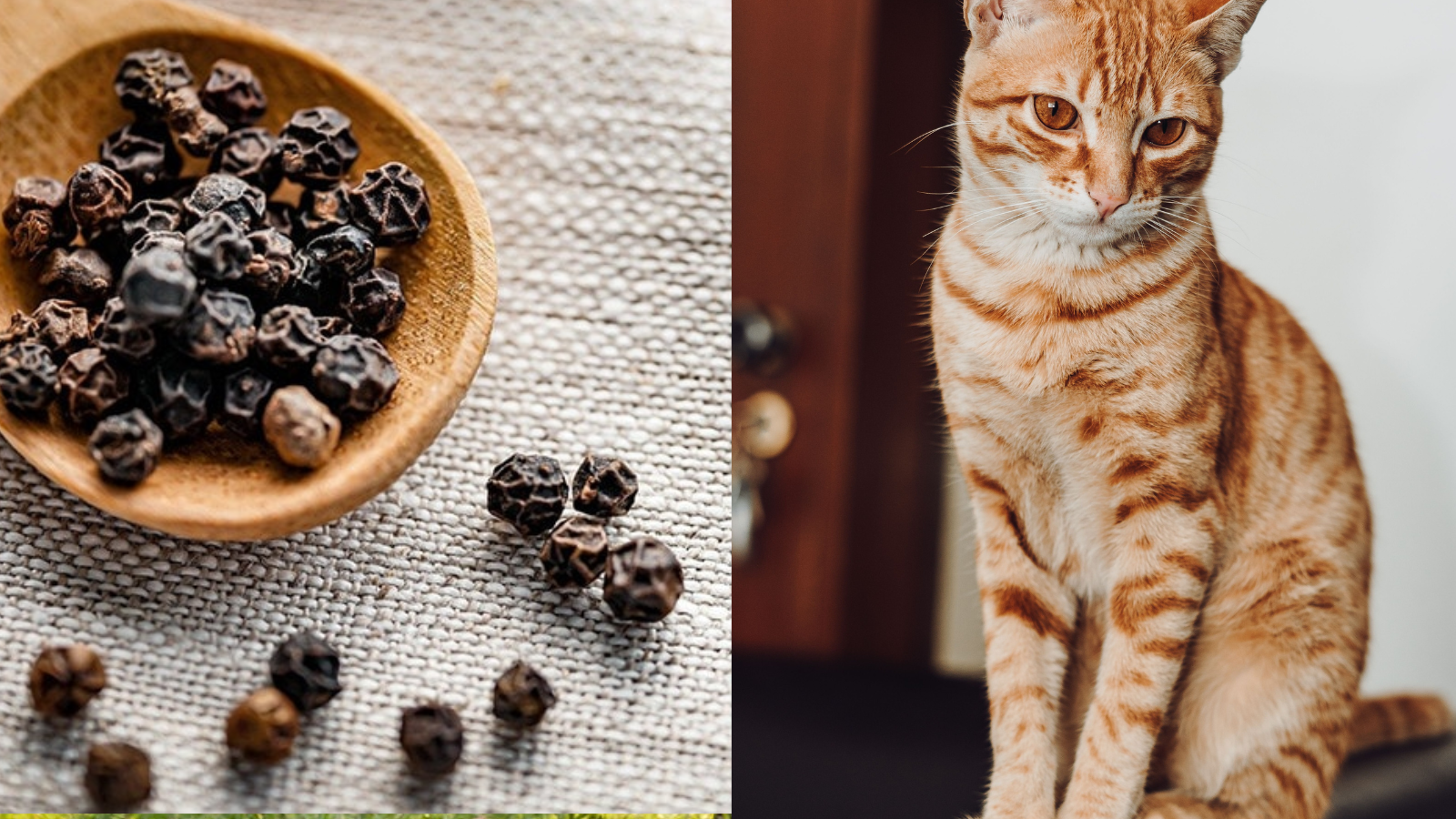
When preparing meals at home, it is common to drop a pinch of seasoning on the kitchen floor. If your curious cat quickly licks up a speck of ground pepper, you might immediately wonder: can cats eat black pepper, or is this household spice toxic to felines?
The quick answer is no, cats should not eat black pepper. While black pepper is not classified as deadly in microscopic amounts, it contains active chemical compounds like piperine that irritate a cat’s delicate digestive tract, eyes, and respiratory system.
In this guide, we break down why black pepper is bad for cats, what happens if they ingest or inhale it, and how to protect your pet from kitchen spices.
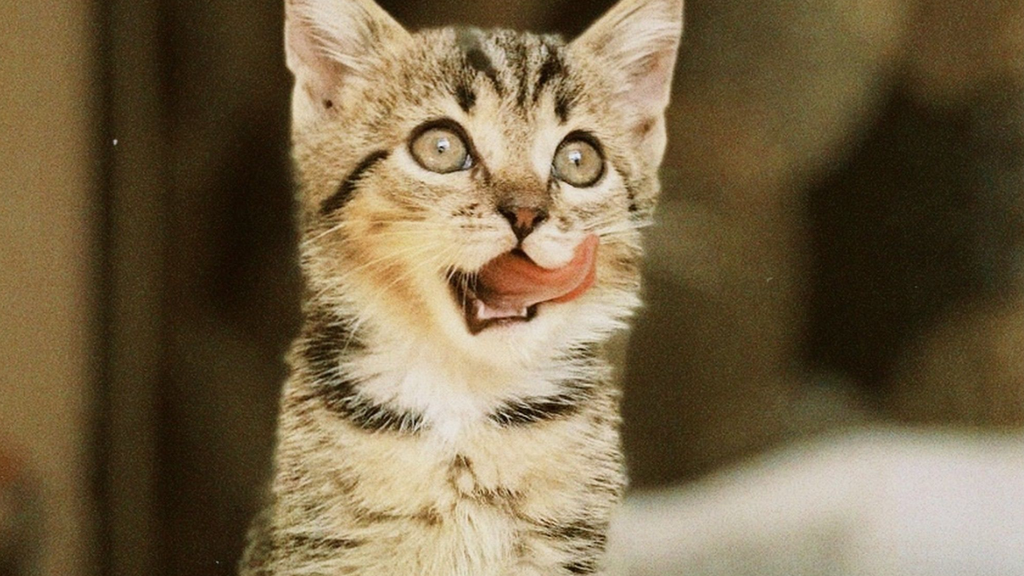
1. Why Black Pepper Is Bad for Cats
Unlike humans, cats are obligate carnivores with digestive systems designed strictly for animal proteins. They lack the enzymes required to break down strong spices, herbs, and seasonings.
- The Chemical Culprit (Piperine): Black pepper gets its sharp flavor and aroma from an alkaloid called piperine. This compound is a natural irritant to a cat’s mouth, throat, and stomach lining.
- Lack of Nutritional Value: Spices offer zero nutritional benefits to cats. Ingesting pepper only introduces unnecessary chemical stress to their digestive organs.
2. Respiratory and Nasal Irritation
Cats have an extraordinarily keen sense of smell—roughly fourteen times stronger than that of humans.
- Inhalation Dangers: If a cat sniffs ground black pepper, the micro-particles instantly irritate their sensitive nasal passages.
- Symptoms: This triggers rapid, uncontrollable sneezing, coughing, watery eyes, and intense nasal discomfort. In some cases, severe sneezing fits can lead to minor nosebleeds or temporary distress.
3. Gastrointestinal Distress and Stomach Upset
If a cat ingests a noticeable amount of black pepper (such as eating seasoned table scraps or meat coated in pepper crust), the piperine causes inflammation along the gastrointestinal tract.
Common symptoms of pepper ingestion in cats include:
- Nausea and Drooling: Excessive salivation as the body tries to wash away the burning sensation.
- Vomiting and Diarrhea: The stomach rapidly expels the irritating spice, leading to mild to moderate digestive upset.
- Abdominal Pain: Your cat may posture uncomfortably or refuse food for several hours following ingestion.
4. What to Do If Your Cat Eats Black Pepper
If your cat accidentally licks up a small amount of black pepper, follow these simple steps:
- Flush Their Mouth: Offer plenty of fresh, clean water. You can also provide a small spoonful of plain wet food to help coat their stomach and clear the taste.
- Clean Their Paws and Nose: Wipe their face, nose, and paws with a damp paper towel to prevent them from rubbing pepper particles into their eyes while grooming.
- Check for Respiratory Distress: If your cat continues sneezing violently or struggles to breathe normally, contact your veterinarian right away.
- Monitor for 24 Hours: Keep an eye out for persistent vomiting, diarrhea, or refusal to eat.
Are Any Spices Safe for Cats?
As a general rule, no culinary spices or seasonings are necessary or recommended for cats. In fact, many common household seasonings—especially garlic powder, onion powder, and cocoa—are severe feline toxins that can cause life-threatening anemia or organ damage.
When serving meat treats to your cat, always keep them 100% plain, unseasoned, and cooked thoroughly.
It is also worth noting that if you would like to offer your cat something different, there are various flavors of wet food pouches available, which are ideal for adding variety to your pet’s daily diet.
The Bottom Line
While a tiny taste of black pepper is unlikely to be fatal, it causes uncomfortable sneezing, nasal burning, and stomach distress. Keep your spice cabinet securely closed and avoid sharing seasoned human food with your furry companion.
No responses yet