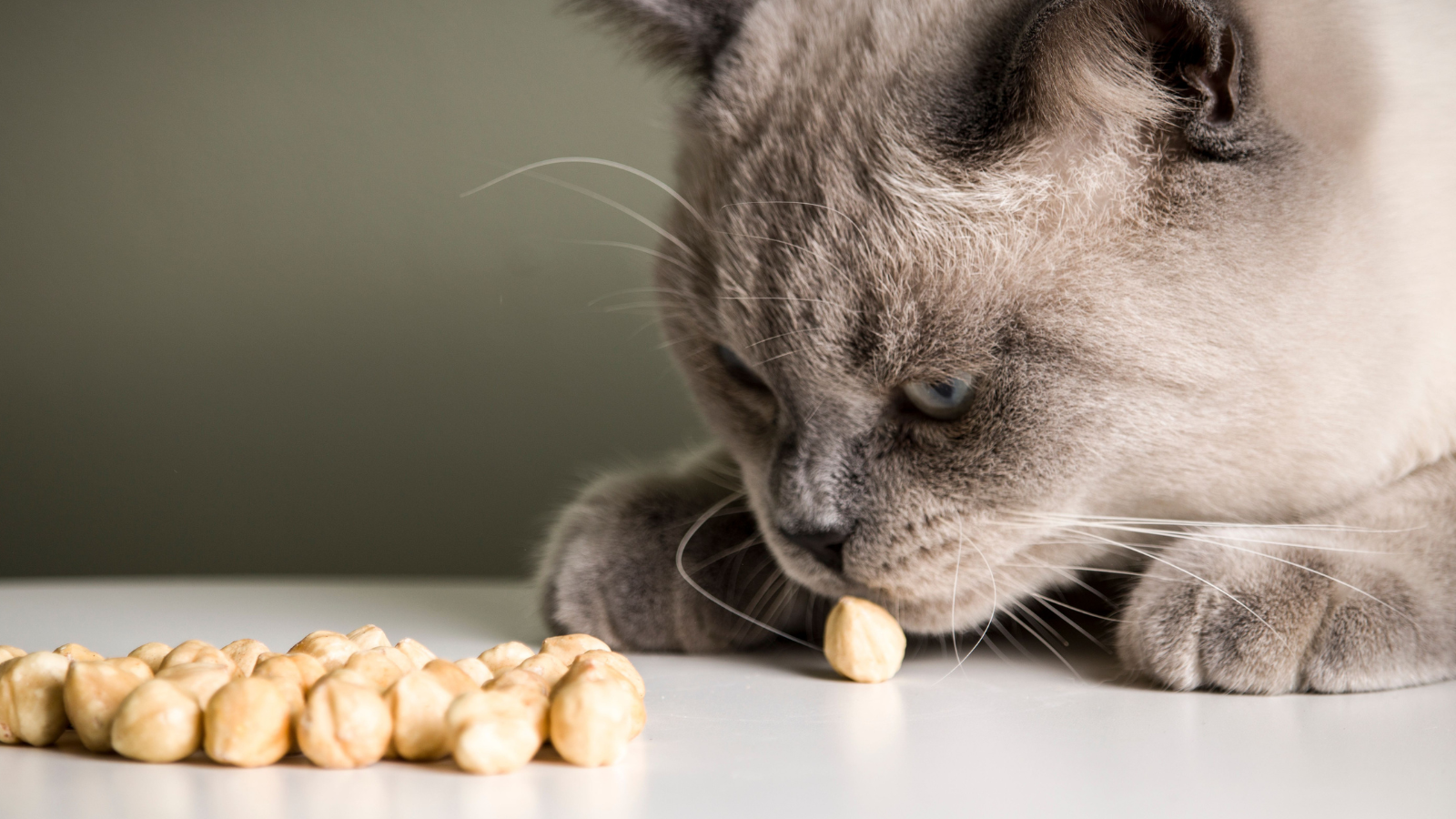
As pet parents, we are always tempted to share our favorite snacks with our curious feline companions. If you are enjoying a handful of mixed nuts or a slice of pecan pie, you might notice your cat sniffing around your plate. This leads to a very common and urgent question: can cats eat pecans, or do these popular nuts pose a threat to your pet’s health?
The short answer is no, cats should not eat pecans. While pecans are not immediately deadly in microscopic quantities, they contain natural chemical compounds, toxic molds, high fat levels, and severe choking risks that make them dangerous for cats.
In this comprehensive guide, we will explore why pecans are harmful to felines, what toxic chemicals they contain, the symptoms of pecan poisoning, and what you should do if your cat accidentally eats one.
1. Are Pecans Toxic to Cats? Understanding Juglone
The primary reason why nuts like pecans and walnuts are hazardous to domestic pets is the presence of a organic chemical compound called juglone.
- What is Juglone? Juglone is a naturally occurring toxin produced by trees in the walnut and pecan family (Juglandaceae). It acts as a natural defense mechanism for the plant against insects and competing vegetation.
- Effect on Felines: While juglone is particularly toxic to horses, it is also known to cause gastrointestinal distress, stomach irritation, and severe digestive upset in cats and dogs. Obligate carnivores like cats simply lack the metabolic pathways to safely process plant-based toxins like juglone.
2. The Invisible Danger of Mycotoxins and Mold
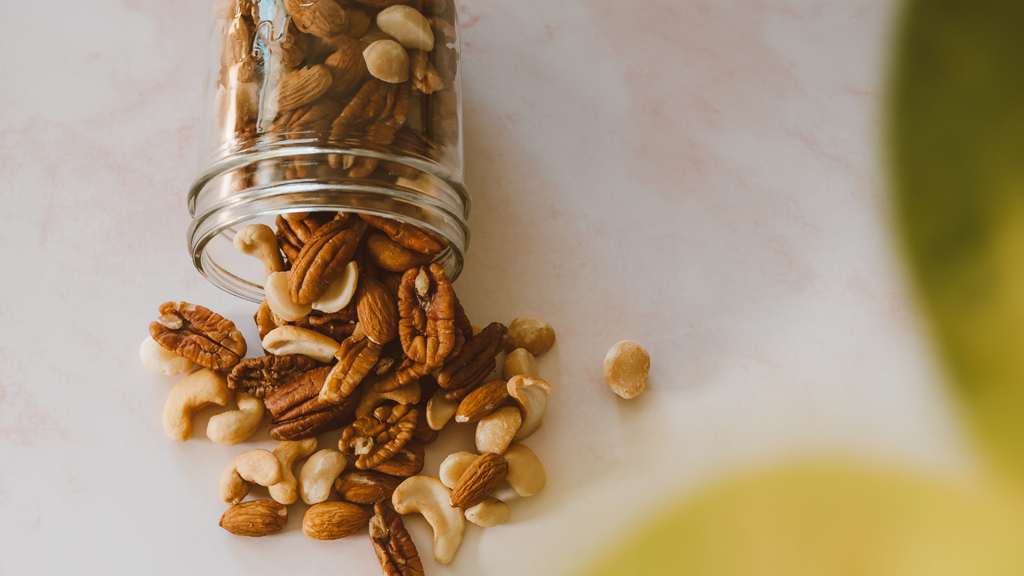
Pecans are highly susceptible to developing specific types of toxic mold, especially when stored in humid conditions or harvested from the ground.
- Tremorgenic Mycotoxins: Molds that grow on tree nuts frequently produce chemical poisons called tremorgenic mycotoxins.
- Neurological Risks: If a cat ingests even a small piece of a moldy pecan, these mycotoxins can rapidly enter the bloodstream. Symptoms of mycotoxin poisoning in cats include severe muscle tremors, bodily weakness, lack of coordination, high fever, and in extreme cases, dangerous seizures.
3. High Fat Content and the Threat of Pancreatitis
Nuts are packed with natural oils and fats. While healthy fats are beneficial for humans, high-fat foods are extremely hazardous for a cat’s delicate digestive system.
- Digestive Stress: A single pecan contains far more fat than a small cat should consume in an entire day. Ingesting fatty human foods strains the liver and digestive tract.
- Risk of Pancreatitis: Regularly feeding high-fat foods—or even serving a large portion of nuts at once—can trigger pancreatitis. This is a painful and potentially life-threatening inflammation of the pancreas. Symptoms of pancreatitis include persistent vomiting, abdominal pain, fever, dehydration, and extreme lethargy.
4. Choking Hazards and Intestinal Blockages
Beyond the chemical and biological threats, the physical structure of a pecan poses immediate mechanical dangers to small animals.
- Hard Shells and Sharp Fragments: If a cat gets hold of an unshelled pecan, the sharp, hard shell can easily slice the inside of their mouth, tongue, or esophagus.
- Gastrointestinal Blockage: Whole or coarsely chewed pecans can become lodged in a cat’s narrow intestinal tract. An intestinal obstruction is a critical emergency that often requires costly emergency surgery to remove.
5. What Symptoms to Watch For After Ingestion
If you suspect your cat managed to sneak a piece of pecan off your counter, monitor them closely for the following warning signs over the next 24 to 48 hours:
- Mild Symptoms: Drooling, pawing at the mouth, decreased appetite, and mild nausea.
- Gastrointestinal Symptoms: Repeated vomiting, severe diarrhea, abdominal bloating, and painful crying when touched.
- Neurological Symptoms (Mycotoxin Poisoning): Unsteadiness when walking, muscle twitching, visible body tremors, dilated pupils, or seizures.
6. What to Do If Your Cat Eats a Pecan
If you catch your cat eating a pecan, do not panic, but act promptly to ensure their safety:
- Remove the Source: Immediately take away any remaining nuts, pie, or wrappers from your cat’s reach.
- Identify the Amount: Try to determine if your cat ate a tiny fragment or multiple whole nuts. Also check if the nut was raw, roasted, salted, or covered in sugar/seasonings.
- Offer Fresh Drinking Water: Make sure clean water is available to help flush out their mouth and throat.
- Contact Your Veterinarian: If your cat consumed a large quantity, an unshelled nut, or exhibits any signs of distress, call your local veterinarian or an animal poison control center immediately.
Safe, Cat-Friendly Treat Alternatives
If you want to treat your cat to something special while you enjoy your snacks, completely avoid human nuts and stick to these safe, vet-approved treats:
- Plain Boiled Chicken: Unseasoned, skinless chicken breast cut into tiny bite-sized pieces.
- Commercial Cat Treats: High-quality, single-ingredient freeze-dried meat treats (such as freeze-dried chicken, turkey, or salmon).
- Cat Grass: Freshly grown oat or barley grass, which satisfies a cat’s natural desire to chew on plant material safely.
The Bottom Line
So, can cats eat pecans? Absolutely not. Due to the combined risks of juglone toxicity, dangerous mycotoxin mold, high fat content leading to pancreatitis, and physical choking hazards, pecans should never be offered to felines. Keep all tree nuts securely stored in airtight containers away from curious paws to keep your pet healthy and safe.
No responses yet