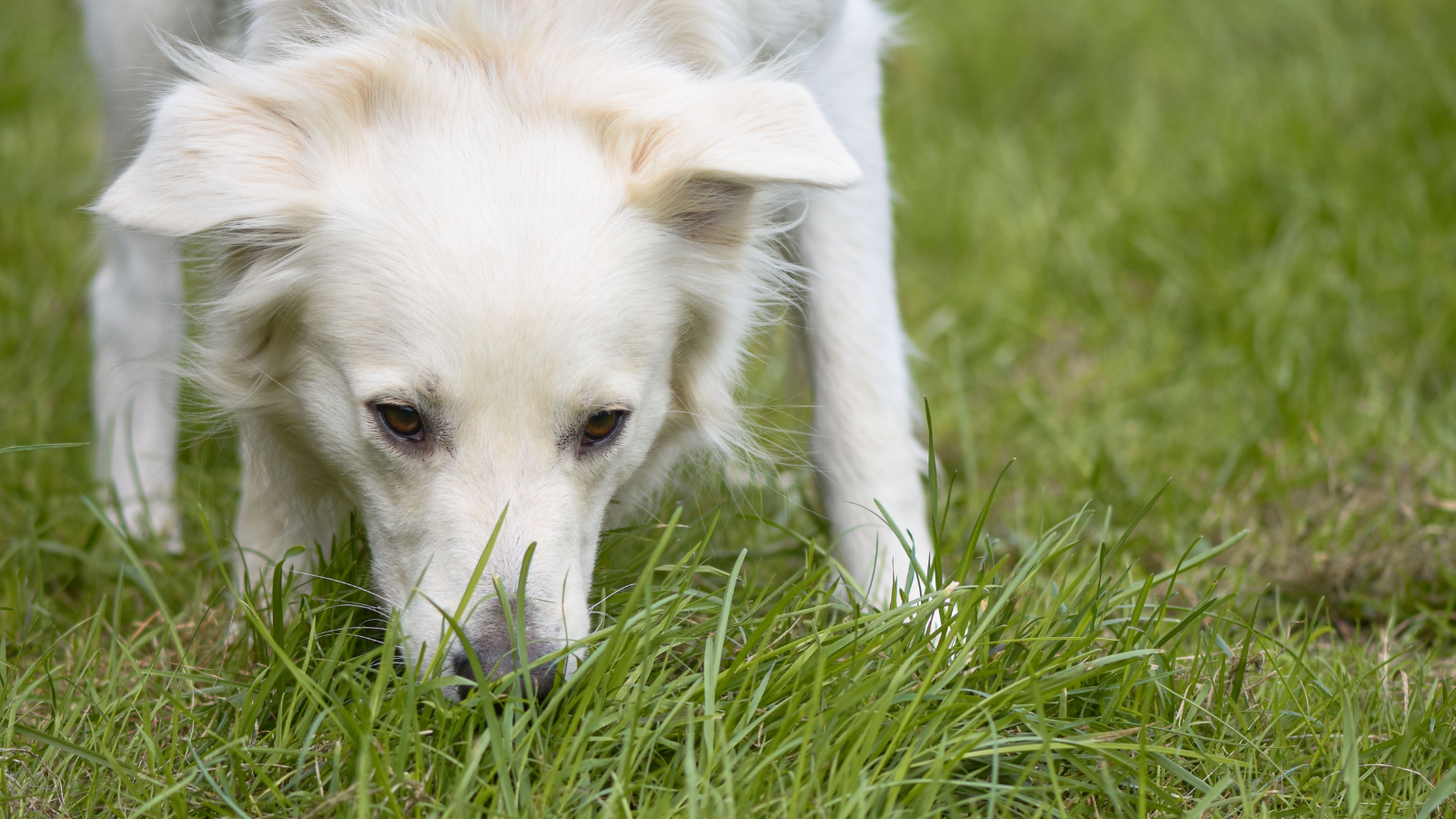
It is a familiar and often alarming scene for many pet parents: you let your dog out into the yard, and they immediately begin frantically grazing on grass like a farm animal. Minutes later, they gag, cough, and vomit up a pile of yellow foam and digested lawn grass. If you are currently asking yourself, why is my dog eating grass and throwing up, you are observing one of the most common yet misunderstood canine behaviors.
While seeing your beloved pet throw up is always concerning, eating grass (known scientifically as pica when non-food items are ingested) is not always a medical emergency.
In this comprehensive guide, we will break down the primary reasons why is my dog eating grass and throwing up, explore whether grass itself is toxic, and discuss simple home steps you can take to protect your dog’s digestive system.
1. Natural Instincts and Evolutionary Habits
To understand why is my dog eating grass and throwing up, it helps to look at their evolutionary history. Wild canines—including wolves, jackals, and dingoes—are natural omnivores.
- Ancestral Diets: Wild dogs regularly consume plants, berries, and grass as part of their natural diet.
- Stomach Cleansing: In the wild, eating roughage like tall grass served as an innate way to clear out internal intestinal parasites or indigestible bones and fur from hunted prey.
- Innate Behavior: Even though modern domesticated dogs eat balanced, commercial kibble, the evolutionary instinct to graze on fresh grass remains deeply wired in their DNA.

2. Dietary Deficiencies and Lack of Fiber
Sometimes, the answer to why is my dog eating grass and throwing up boils down to basic nutrition and dietary balance.
- Seeking Natural Fiber: Grass is naturally high in roughage and fiber. If your dog’s regular diet lacks adequate fiber, they may instinctively crave grass to help keep their bowel movements regular and healthy.
- Micronutrient Cravings: While rare in dogs eating high-quality commercial dog food, a dog lacking essential vitamins or minerals might turn to eating grass and outdoor plants to fulfill nutritional gaps.
- Solutions: Switching to a higher-fiber kibble formula or adding vet-approved fibrous veggies (like pureed pumpkin or steamed green beans) can significantly reduce grass-eating behaviors.
3. Gastric Intestinal Relief and Nausea
The most frequent explanation for why is my dog eating grass and throwing up immediately afterward is self-treatment for an upset stomach.
- Inducing Vomiting on Purpose: When a dog feels nauseous due to gas, acid reflux, or eating something bad from the trash, they intentionally swallow long strands of unchewed grass.
- The Tickle Effect: The sharp, ticklish grass blades tickle the sensitive lining of the dog’s throat and stomach wall. This mechanical irritation triggers the gag reflex, prompting the dog to throw up and expel whatever was causing stomach distress.
- Yellow Bile Vomit: If your dog vomits yellow foam along with grass, this is simply gastric bile from an empty stomach.
4. Boredom, Stress, and Behavioral Triggers
Not all instances of grass eating stem from physical illness or nausea. Emotional state plays a massive role in canine behavior.
- Boredom and Lack of Exercise: Dogs that spend long, uninterrupted hours in the yard without mental stimulation or physical exercise often chew grass simply to pass the time.
- Anxiety and Stress Relievers: Chewing on objects—including grass, sticks, and lawn toys—releases endorphins in a dog’s brain that help soothe feelings of anxiety or environmental stress.
- Palatability: Simply put, some dogs actually enjoy the taste, texture, and crisp moisture of fresh, cool morning grass!
Is Eating Grass Dangerous for Your Dog?
While grass itself is generally non-toxic to dogs, the hidden hazards lurking on the grass can pose serious health risks:
- Pesticides and Herbicides: Chemical lawn fertilizers, weed killers, and pesticides are highly toxic to dogs if ingested in large quantities.
- Intestinal Parasites: Public parks and lawns can harbor microscopic eggs from parasites like roundworms, hookworms, and whipworms left behind by other animals.
- Toxic Lawn Weeds: Common lawn weeds (such as mushrooms, lilies, or azaleas growing among the grass) can cause severe poisoning.
What You Should Do When Your Dog Eats Grass
If you catch your dog actively eating grass, follow these simple management tips:
- Check the Area for Chemicals: Ensure the grass has not been treated with chemical fertilizers or toxic pest sprays recently.
- Offer Fresh Drinking Water: Ensure your dog has access to clean water to prevent dehydration after vomiting.
- Provide Bland Meals: If your dog threw up bile and grass, give their stomach a rest for a few hours, then offer a small meal of plain boiled chicken and white rice.
- Increase Daily Exercise: Engage your dog with puzzle toys, interactive fetch sessions, and longer daily walks to curb boredom-based grass eating.
When to Call Your Veterinarian
While occasional grass consumption is normal, you should consult your veterinarian if you notice any of these warning signs:
- Chronic grass eating accompanied by frequent, uncontrollable vomiting.
- Signs of intense pain, lethargy, or loss of appetite lasting longer than 24 hours.
- Diarrhea containing blood or mucus alongside grass vomiting.
- Suspected ingestion of lawns treated with toxic chemical pesticides.
The Bottom Line
Understanding why is my dog eating grass and throwing up helps pet parents separate normal canine instincts from actual health concerns. Whether your dog is seeking natural fiber, relieving mild nausea, or simply passing the time out of boredom, monitoring their behavior and keeping lawns chemical-free will keep your furry companion safe and healthy.
No responses yet