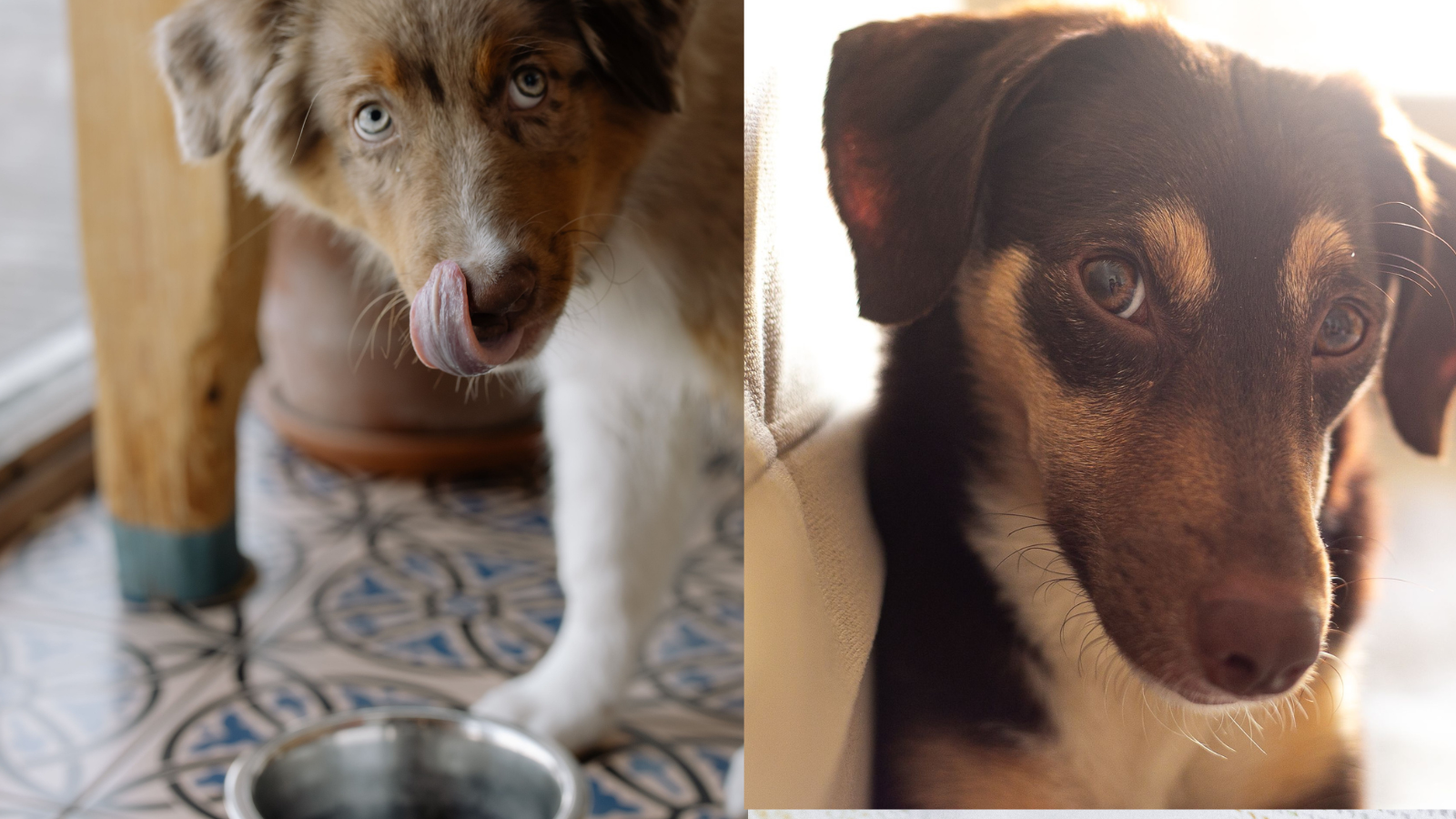
Watching your dog lose interest in food is concerning, but when they also refuse to drink water, it naturally triggers immediate panic for any pet parent. If you are asking yourself, why is my dog not eating or drinking, you need to treat the situation with a higher level of attention than a simple skipped meal.
While a dog can go a couple of days without solid food, dehydration caused by a lack of fluid intake can become severe and life-threatening within 24 to 48 hours.
In this ultimate guide, we cover the primary reasons behind a sudden refusal to eat and drink, the immediate danger of canine dehydration, what you can do at home, and when you must seek emergency veterinary intervention.
1. Physical Illnesses and Severe Medical Conditions
When a dog rejects both food and water simultaneously, their body is usually signaling significant internal distress or pain.
- Severe Gastrointestinal Disorders: Conditions like acute gastroenteritis, stomach ulcers, or severe intestinal blockages (caused by swallowing a foreign object) make consuming anything intensely painful or nauseating.
- Kidney Disease or Renal Failure: The kidneys filter toxins from the bloodstream. When kidney function declines rapidly, toxic waste builds up, causing severe nausea, mouth ulcers, and a complete loss of thirst and appetite.
- Pancreatitis: Inflammation of the pancreas causes excruciating abdominal pain and persistent nausea, causing dogs to avoid all food and fluids.
- Infectious Diseases: Parvovirus (especially in puppies), distemper, or severe bacterial infections cause high fevers and systemic weakness that shut down basic hunger and thirst cues.
- Dental Emergencies and Mouth Injuries: Severe tooth abscesses, fractured jaws, or foreign objects stuck in the roof of the mouth make swallowing liquids and solids unbearable.
2. Emotional Distress, Severe Stress, and Trauma
Just like humans, dogs can experience emotional shocks that temporarily shut down their desire to eat or drink.
- Major Environmental Changes: Moving to a brand-new environment, long-distance travel, or sudden rehoming can put a sensitive dog into a state of shock or acute anxiety.
- Loss of a Companion: Dogs mourn deeply. The death or absence of a long-time pet companion or primary human caretaker can trigger severe depression and food/water refusal.
- Post-Surgical Recovery and Anesthesia: If your dog recently underwent surgery or dental cleaning under general anesthesia, feeling groggy, disoriented, or nauseous for 12 to 24 hours afterward is relatively common.
3. The Danger of Canine Dehydration
Understanding why a lack of water intake is far more dangerous than skipping meals is critical for pet parents.
- Rapid Physiological Decline: Water regulates body temperature, aids digestion, cushions organs, and lubricates joints. Without fluid intake, organ function degrades rapidly.
- How to Check for Dehydration at Home:
- The Skin Tent Test: Gently pinch the loose skin on the back of your dog’s neck or between their shoulder blades and release it. In a hydrated dog, the skin snaps back instantly. If it retracts slowly or stays tented, your dog is dehydrated.
- Gums Check: Press your finger gently against your dog’s gums. In a healthy dog, the gums are pink and moist. If they feel tacky, dry, or sticky—or if the color stays white for more than two seconds after pressing—your dog needs fluids immediately.
4. What You Can Do at Home (Temporary Measures)
If your dog has stopped eating and drinking within the last few hours and shows no severe emergency symptoms (like collapsing or bleeding), try these gentle encouragement techniques:
- Offer Low-Sodium Bone Broth: Many dogs who refuse plain tap water will gladly lap up warm, unseasoned chicken or beef bone broth.
- Try Ice Cubes: Some nauseous dogs find licking an ice cube far more manageable than drinking standing water from a bowl.
- Wet Their Lips: Use a clean, wet cloth or an oral syringe (without a needle) to gently drop tiny trickles of fresh water on their tongue. Never force-feed liquids down a dog’s throat, as this can cause accidental fluid inhalation into the lungs (aspiration pneumonia).
- Move Water Bowls to Comfortable Locations: Ensure the water bowl is easily accessible, especially for senior dogs with joint pain who struggle to stand up and walk across slick floors.
When Is It a Veterinary Emergency?
You should not wait or attempt home remedies if your dog exhibits any of the following critical warning signs alongside refusal to eat or drink:
- Complete lack of fluid intake for longer than 24 hours.
- Concurrent symptoms like frequent vomiting, bloody diarrhea, or dry heaving.
- Visible lethargy, inability to stand, unsteadiness, or collapse.
- Pale, white, or blue gums.
- High fever or visible signs of intense pain (whining, panting, or guarding the abdomen).
The Bottom Line
So, why is my dog not eating or drinking? From sudden gastrointestinal blockages and organ distress to severe stress and dental pain, a dual refusal of food and water is a clear distress signal. Monitor your dog closely for signs of dehydration, try offering bone broth or ice, and do not hesitate to contact your veterinarian if the condition persists beyond 24 hours.
No responses yet